
Packing for a trip can be challenging especially when deciding whether to roll or fold clothes. Rolling Clothes usually saves more space. Allowing you to pack more, and can reduce wrinkles for synthetic fabrics, though it may take longer to do well. However, some items, like bulky sweaters or clothing with buttons and collars, are better folded to avoid creasing or taking up too much space. Using a combination of rolling and folding, along with packing aids like cubes or compression sacks, often results in the best packing strategy. Ultimately, the choice of packing method depends on the type of clothing, available space, and personal preferences regarding speed and wrinkle prevention.
Maximizing Space When Traveling
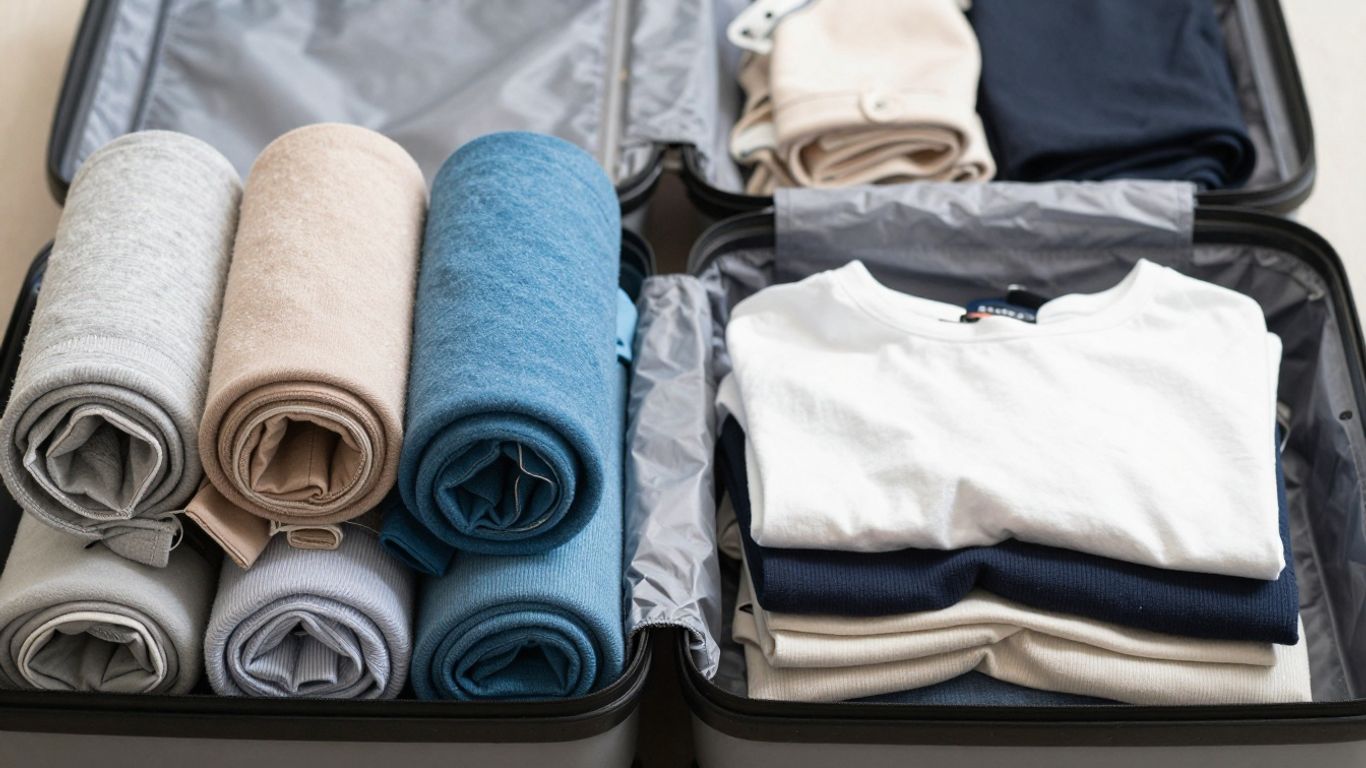
When it comes to packing, we all want to fit as much as possible into our luggage, right? It's a common goal, especially if you're trying to avoid checking a bag or are heading out on an extended trip where laundry is a must. The debate often boils down to two main methods: rolling your clothes or folding them. Each has its own way of interacting with the space inside your suitcase.
The Space-Saving Advantages of Rolling
Many travelers swear by rolling their clothes, and there's a good reason for that. Rolling can be incredibly effective at creating a more compact package, especially for certain types of clothing. Think about t-shirts, casual pants, or even socks and underwear. When rolled tightly, these items can fill gaps and create a more uniform surface within your bag. This method often gives the illusion of more space because the rolled items can fit snugly into nooks and crannies that might otherwise go unused. It's like Tetris, but with your wardrobe.
How Rolling Can Fit More Items
So, how does rolling actually allow you to cram more stuff in? It's all about density and eliminating air pockets. When you fold clothes, especially thicker ones, you can end up with uneven layers and empty spaces between them. Rolling, on the other hand, compresses the fabric and forces out more air. This makes each item take up less volume. For items like t-shirts and thinner pants, rolling them into tight 'sausages' can significantly reduce their overall footprint in your bag. Some people even use rubber bands to keep these rolls compact, making them easier to stack and pack.
Comparing Space Efficiency: Roll vs. Fold
Let's break down the space aspect. While rolling often wins for smaller, flexible items, folding can sometimes be more efficient for bulkier things or when you need to maintain a specific shape. For instance, a bulky sweater might actually take up more space when rolled than when neatly folded. However, for a suitcase full of items like t-shirts, jeans, and casual wear, rolling generally allows you to fit more. It's not always about fitting more items, but about how efficiently you use the available volume. A common experiment shows that while both methods can fit the same amount of clothing, rolling can create more usable space around the edges of a backpack, while folding might leave more space on top. It really depends on the bag and the clothes.
The key takeaway here is that neither method is universally superior for space-saving. It's about understanding the nature of your clothing and your luggage. For many, a hybrid approach, using rolling for some items and folding for others, is the most practical way to maximize space.
Here's a quick look at how different items might fare:
| Item Type | Best for Rolling | Best for Folding |
|---|---|---|
| T-shirts | Yes | Maybe |
| Jeans/Casual Pants | Yes | Maybe |
| Sweaters/Hoodies | No | Yes |
| Dress Shirts | No | Yes |
| Underwear/Socks | Yes | Yes |
Try to experiment with your own clothes and luggage, this is the best way to figure out what works for you. Later you might find that for longer trips, where you'll need to do laundry, mastering efficient packing is key. You can find some great tips on packing efficiently into a carry-on backpack if that's your goal.
Preventing Wrinkles While Traveling
Does Rolling Clothes Eliminate Wrinkles?
So, does rolling your clothes actually keep them from getting all crinkled up? The short answer is: it can help, but it's not a magic bullet. Rolling clothes can prevent new wrinkles from forming, especially compared to the sharp creases you get from folding. Think of it like this: instead of creating hard lines, you're creating gentle curves. This is why some people swear by rolling for keeping things smooth. It's particularly good for items like t-shirts and thinner fabrics that don't have a lot of structure to begin with.
However, if your clothes are already wrinkled before you roll them, rolling them up won't magically fix that. You still need to start with smooth items. It's more about preventing additional wrinkles during transit.
The Impact of Fabric Type on Wrinkles
Not all fabrics are created equal when it comes to wrinkles. Some materials are just naturally more prone to creasing, no matter how you pack them.
Here's a quick rundown:
- Wrinkle-Resistant Fabrics: Synthetics like polyester, nylon, and spandex blends tend to bounce back well. They're usually a good candidate for rolling.
- Moderately Wrinkle-Prone Fabrics: Cotton and linen can wrinkle easily. While rolling might help a bit, they might still show some creases.
- Highly Wrinkle-Prone Fabrics: Delicate materials like silk, rayon, and some natural fibers are the trickiest. They often benefit more from careful folding or specialized packing.
The key is to understand your clothing's material. What works for a cotton tee might not work for a linen blouse.
Techniques for Wrinkle-Free Rolling
If you're going to roll, doing it right makes a difference. It's not just about shoving clothes into a ball.
- Start Smooth: Lay your item flat and smooth out any existing wrinkles. Seriously, don't skip this step.
- Fold Along Seams (If Applicable): For items like shirts, fold them lengthwise along the seams first to create a neater shape before rolling.
- Roll Tightly and Evenly: Begin rolling from one end, keeping the roll as tight and consistent as possible. This minimizes air pockets and helps maintain shape.
- Secure (Optional): For extra security, you can use a small rubber band or a piece of string to keep the roll from unraveling, but be careful not to cinch it too tightly, which could create its own creases.
Choosing the Right Method for Your Clothes
So, we've talked about saving space and fighting wrinkles, but what about the actual clothes themselves? Not everything is created equal when it comes to packing. Some items just prefer to be rolled, while others are happier folded. It's like picking the right tool for the job, you know?
Clothing Best Suited for Rolling
Generally, if you're looking to save space and minimize creases, rolling works wonders for softer, more flexible fabrics. Think about your t-shirts, tank tops, pajamas, and anything made from synthetic materials like nylon. These items tend to compress well and bounce back without looking like they've been through a wrestling match. Small items like socks and underwear are also prime candidates for rolling – they can be tucked into gaps or rolled into little bundles.
- T-shirts and casual tops
- Synthetic fabrics (nylon, polyester)
- Pajamas and loungewear
- Socks and underwear
When Folding is the Superior Choice
Now, some clothes just don't play nice with rolling. Stiffer fabrics, structured garments, and anything with buttons or collars can end up looking a mess if you try to roll them. Folding is often the better bet here. This includes things like dress pants, blazers, button-down shirts, and even some delicate fabrics that might snag or stretch if rolled too tightly. Folding allows these items to maintain their shape and reduces the risk of deep creases.
- Dress pants and trousers
- Blazers and structured jackets
- Button-down shirts
- Delicate fabrics (silk, some linens)
Handling Bulky Items During Traveling
Bulky items are a whole different ballgame. Sweaters, thick hoodies, and chunky knits can take up a ton of space, no matter how you pack them. While rolling might seem like a good idea, it can sometimes make them even puffier. Folding them neatly might work, but often, the best strategy for these space hogs is to use compression sacks or consider wearing them on your travel day if possible. Trying to roll a giant wool sweater is usually a losing battle for space.
When in doubt, consider the fabric and structure of the garment. If it's meant to hold a specific shape, folding is usually the safer bet. For everything else, rolling can be your best friend for maximizing suitcase real estate.
The Time Factor in Packing for Travel
When you're getting ready for a trip, the clock is always ticking, right? You want to pack efficiently without spending hours wrestling with your suitcase. So, how does the roll versus fold debate stack up when it comes to the time it takes to get everything packed?
Is Rolling More Time-Consuming?
Honestly, rolling clothes can take a bit longer than just tossing them into a suitcase. You're not just folding; you're carefully smoothing and then rolling each item into a tight cylinder. It's a more deliberate process. If you're in a rush, this extra attention to detail might feel like a drag. It's definitely a trade-off between maximizing space and saving precious minutes. Some people find that once they get into the rhythm, it's not so bad, but initially, expect to spend a little more time per item.
The Efficiency of Folding for Speed
Folding, on the other hand, is often the go-to for speed. We're used to folding clothes when we put them away at home, so it feels natural. You can grab a shirt, fold it in half, maybe fold it again, and boom, it's ready for the suitcase. It's a quicker, more straightforward action. For items like t-shirts, jeans, or even sweaters, a quick fold can get them into your bag much faster than rolling.
Balancing Time and Packing Effectiveness
So, what's the verdict? It really depends on your priorities and the types of clothes you're packing. If you have a lot of delicate items or formal wear that you absolutely don't want to wrinkle, you might spend more time carefully folding them, which can also be time-consuming. If you're packing mostly casual wear like t-shirts and socks, rolling might be quick enough and offer space benefits.
Here's a quick look at the time aspect:
- Rolling: Generally takes more time per item due to the smoothing and tight rolling process. Best for items where space is the primary concern.
- Folding: Typically faster, especially for items you're already familiar with folding. Good for quick packing sessions.
Ultimately, the 'best' method isn't just about space or wrinkles; it's about what fits your travel style and how much time you're willing to invest in the packing process. Sometimes, a mix of both methods is the most practical approach.
Alternative Packing Strategies for Traveling
Beyond the classic roll or fold debate, there are some other neat tricks up travelers' sleeves to keep luggage tidy and space maximized. Think of these as the 'pro moves' for packing.
The Role of Packing Cubes
Packing cubes are like little organizational boxes for your suitcase. They come in all sorts of sizes and can really help compartmentalize your belongings. You can group similar items together – like all your t-shirts in one, socks and underwear in another, or even dedicate a cube to outfits for specific days. This makes finding things so much easier when you get to your destination. Plus, they can help compress your clothes a bit, squeezing out some air. It’s a pretty popular method, and for good reason. They help keep your bag from turning into a jumbled mess.
Utilizing Compression Sacks
If you're really struggling with space, especially with bulkier items like sweaters or jackets, compression sacks are your best friend. You pack your clothes inside, then zip them up and often there's a valve to let out excess air, or you just roll them up to squeeze the air out. It’s amazing how much smaller things can get. Just be mindful that while they save space, they can also increase wrinkling on the items inside, so maybe save these for items where wrinkles aren't a big concern. They are great for maximizing space when packing.
The KonMari Method for Organized Travel
Marie Kondo's approach isn't just for tidying your home; it can be applied to packing too. The core idea is to keep only what 'sparks joy' – which, when traveling, translates to packing items you'll actually use and love. This method encourages a specific way of folding clothes so they stand upright in your luggage. This way, you can see everything at a glance without digging through your bag. It’s all about intentionality and making sure every item you bring serves a purpose, leading to a more curated and efficient packing list.
Understanding the Pros and Cons for Traveling
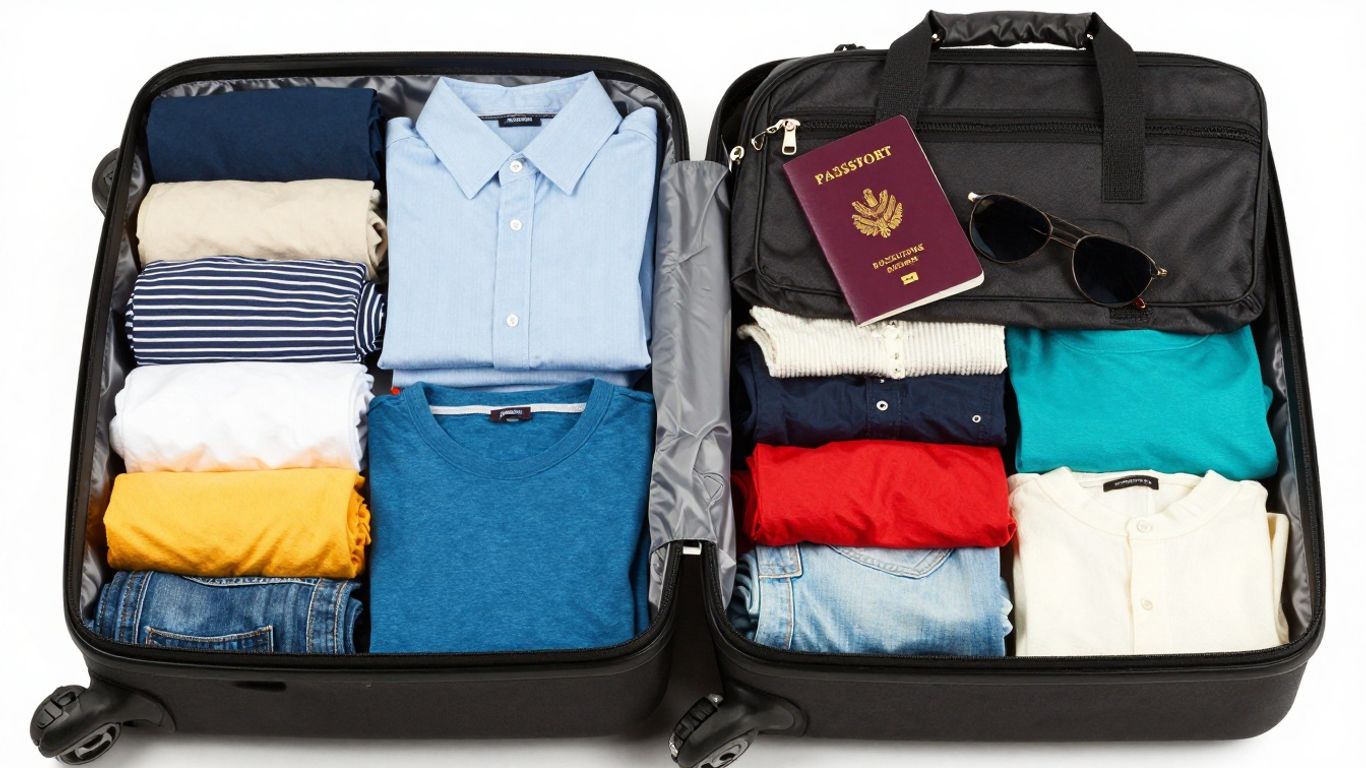
So, we've talked about how to pack, but what's the real deal with rolling versus folding? It's not just about fitting more stuff, though that's a big part of it. Each method has its own quirks, and knowing them can really make a difference on your trip.
Benefits of Rolling Your Clothes
Rolling clothes is often praised for its space-saving abilities. When you roll items tightly, you can often fit more into your suitcase, especially in those awkward nooks and crannies. It's particularly good for smaller, softer items like t-shirts, socks, and pajamas. Plus, when done right, rolling can help minimize wrinkles, making your clothes look a bit fresher when you unpack. It also makes it easier to see everything in your bag at a glance, so you're not digging around.
- Maximizes space: Great for fitting more items, especially in carry-on luggage.
- Reduces wrinkles: Tightly rolled clothes tend to crease less than folded ones.
- Easy visibility: You can see all your rolled items easily.
- Good for small items: Perfect for socks, underwear, and rolled-up t-shirts.
Drawbacks of the Rolling Method
While rolling sounds great, it's not perfect for everything. Some fabrics, like stiff cotton or linen, can actually wrinkle more when rolled. It also takes more time and effort to roll each item neatly, which might not be ideal if you're in a rush. Button-down shirts and more formal wear can be particularly tricky to roll without looking like a crumpled mess.
- Time-consuming: Takes longer to roll each item compared to a quick fold.
- Not ideal for all fabrics: Stiffer materials or structured garments can wrinkle badly.
- Difficult for certain items: Button-up shirts and formal wear are hard to roll effectively.
Advantages of Folding Your Clothes
Folding is the classic method for a reason. It's fast and requires very little thought. For items like jeans, sweaters, and dress pants, folding can sometimes be more space-efficient than rolling, especially if you use a good folding technique. It's also the go-to for garments that you absolutely don't want to wrinkle, like suits or delicate dresses. Folding keeps structured items looking their best.
- Quick and easy: The fastest way to pack most items.
- Good for structured items: Keeps shirts, pants, and dresses from getting too creased.
- Familiar method: Most people are used to folding from home.
Disadvantages of Folding for Travel
The main downside to folding is that it often leaves empty spaces in your suitcase. Folded items tend to be blockier and don't conform to odd shapes as well as rolled items. This means you might not be able to fit as much into your bag. Also, if you just stack folded clothes, pulling one item out can mess up the whole pile, leading to a disorganized bag.
- Wastes space: Creates more gaps and doesn't fill the suitcase as efficiently.
- Can lead to disorganization: Pulling one item can topple others.
- Potential for wrinkles: Depending on the fabric and how tightly packed, folding can still cause creases.
Ultimately, the best approach often involves a mix of both. Consider the type of clothing you're packing and how much space you have. For instance, rolling socks and t-shirts while folding dress pants and button-downs might be the sweet spot for many travelers. Don't be afraid to experiment to find what works best for your travel style and your wardrobe.
So, What's the Verdict?
Alright, so after all that, it seems like there's no single right answer to whether you should roll or fold your clothes for a trip. Honestly, it really comes down to what you're packing and what works best for you. Rolling is pretty great for saving space and keeping things like t-shirts from getting too wrinkled, especially if you're tight on room. But for dressier stuff or bulky sweaters, folding might be the way to go to avoid a mess. Maybe the best approach is a mix of both? Roll your casual wear and fold your nicer pieces. Or, hey, maybe those packing cubes are the real heroes here, letting you do a bit of both and keeping everything tidy. Ultimately, the goal is to get your stuff there without looking like you slept in it, and to fit it all in your bag. So, experiment a little and find your own perfect packing method!
Frequently Asked Questions
Does rolling clothes actually save space?
Yes, rolling clothes can help you fit more items into your suitcase. When you roll clothes, they can be packed more tightly and fill in small gaps that folded clothes might leave. Think of it like rolling up a sleeping bag – it gets smaller and easier to stuff into a bag.
Will rolling my clothes prevent wrinkles?
Rolling can help reduce wrinkles, especially for softer fabrics, if you smooth out the clothes before rolling. It avoids the sharp creases that folding can create. However, if a shirt is already wrinkled before you roll it, rolling won't magically fix it. For formal wear or items with stiff collars, folding might be better.
What types of clothes are best for rolling?
T-shirts, casual pants, shorts, and thinner items generally do well when rolled. They tend to pack more compactly and are less likely to get badly creased. Think of everyday wear that doesn't have a lot of structure.
When is folding a better choice for packing?
Folding is often better for bulkier items like sweaters or jackets, as they can take up less space when folded neatly. It's also the preferred method for dress shirts, blazers, dresses, and anything with buttons or a structured collar that could get messed up by rolling.
Is rolling or folding faster?
For most people, folding is quicker because it's something we do every day. Rolling, especially if you're trying to do it perfectly to avoid wrinkles, can take a bit more time and effort. However, some find rolling easier once they get the hang of it.
Should I use both rolling and folding?
Absolutely! The best approach is often a mix. You can roll your t-shirts and socks to save space, and then fold your dressier items or bulkier sweaters. This way, you get the benefits of both methods for different types of clothing.
Comments
Post a Comment